Scenic Fabrication for Theme Parks: Creating Immersive Environments
Introduction: The Magic of Scenic Fabrication in Theme Parks
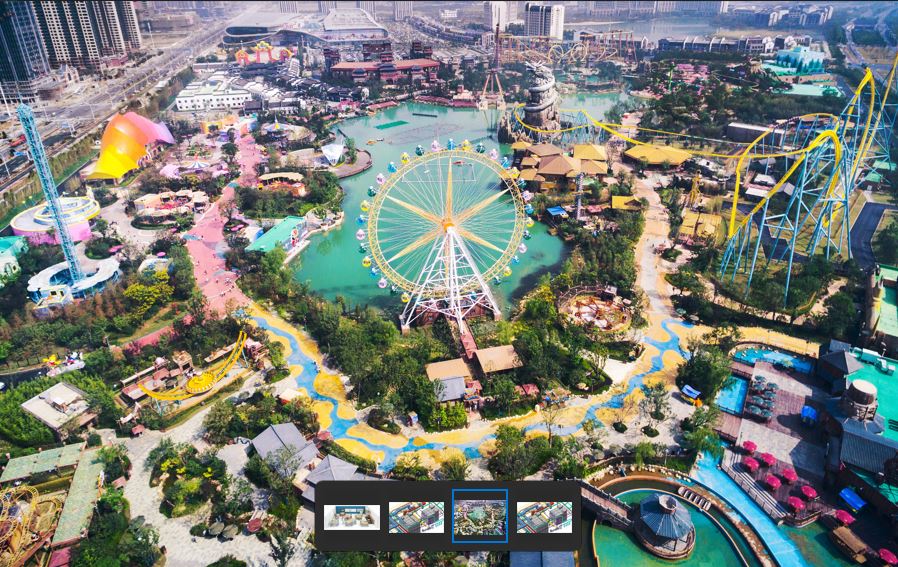
Theme parks rely heavily on scenic fabrication to create immersive experiences that transport visitors to different worlds. From fantasy castles to realistic jungle landscapes, fabricated scenery allows designers to turn imaginative concepts into tangible, interactive environments. Effective scenic fabrication combines artistry, engineering, and durability to create attractions that engage and amaze visitors.
1. Concept Development and Planning
Collaborate with Designers and Engineers
Every theme park attraction begins with a concept. Scenic fabricators work closely with designers, architects, and engineers to transform sketches and digital models into real-world structures. Early collaboration ensures that creative ideas are feasible, safe, and visually impactful.
Detailed 3D Modeling and Prototyping
3D models and prototypes allow designers to visualize the attraction before fabrication begins. This step helps identify structural challenges, material requirements, and spatial planning for ride pathways, guest flow, and safety zones.
2. Selecting the Right Materials
Durable and Weather-Resistant Materials
Theme park environments face constant exposure to weather, high traffic, and wear. Materials like reinforced fiberglass, high-density foam, metals, and treated wood are used to ensure durability and long-term performance.
Lightweight Materials for Complex Shapes
Foam, plastics, and composite materials allow the creation of complex, detailed shapes that are lightweight yet sturdy. These materials are essential for sculpting castles, creatures, or themed props while maintaining structural stability.
3. Fabrication Techniques for Immersive Design
Sculpting and Molding
Detailed sculptures and molded elements bring life to themed environments. Using foam carving, clay modeling, and silicone molds, designers can replicate textures like rock, wood, or stone realistically.
Painting and Surface Finishing
Painting and texturing add depth and realism to fabricated elements. Techniques such as faux finishes, weathering, and airbrushing enhance the authenticity of surfaces and contribute to the immersive experience.
4. Integrating Interactive and Mechanical Elements
Moving Scenery and Animatronics
Many theme park attractions include moving scenery or animatronic figures. Scenic fabrication incorporates tracks, pulleys, and motorized systems to create dynamic, interactive experiences.
Lighting and Special Effects
Lighting, projection mapping, fog machines, and sound effects are integrated during fabrication to enhance realism and guide visitor attention, making attractions more engaging and memorable.
5. Safety and Compliance in Theme Park Fabrication
Structural Integrity
All fabricated elements must be engineered to support weight, movement, and interaction with guests. Collaboration with engineers ensures safety while maintaining creative design integrity.
Regulatory Compliance
Materials and finishes must comply with fire safety, accessibility, and public safety standards. Safety testing for walkways, stairs, and moving parts is mandatory to prevent accidents.
6. Maintaining Scenic Elements for Longevity
Regular maintenance is crucial to preserve the quality of fabricated scenery. Protective coatings, cleaning schedules, and inspections help prevent wear and damage. Proper maintenance ensures that theme park environments remain immersive and safe for visitors year after year.
Conclusion: Transforming Concepts into Memorable Experiences
Scenic fabrication is at the heart of theme park storytelling and visitor engagement. By combining detailed planning, durable materials, precise fabrication techniques, and interactive elements, designers create immersive environments that captivate audiences. From the smallest props to entire themed lands, scenic fabrication transforms ideas into real-world experiences that leave a lasting impression on visitors.